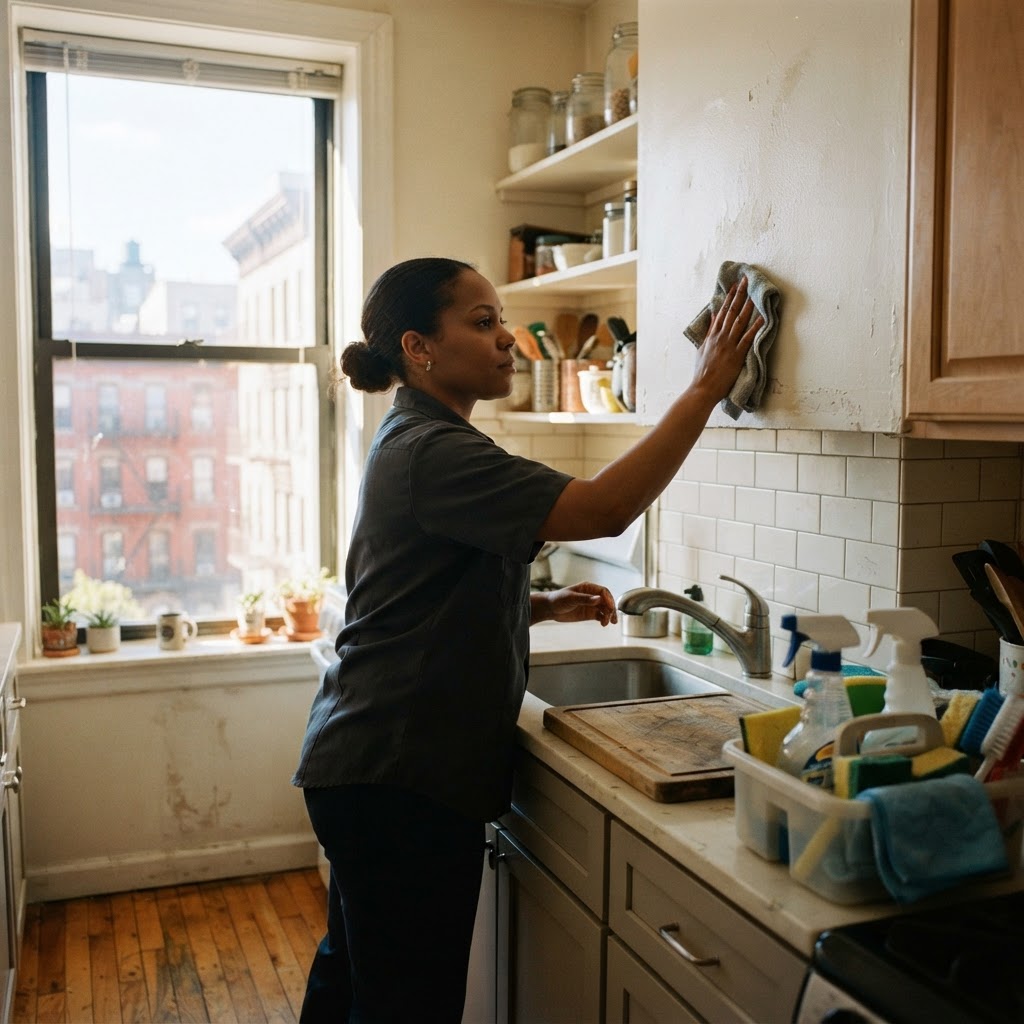
Before you open a can of paint, take a moment to consider the state of your walls. In New York City, our apartments face unique challenges like radiator dust, cooking grease from tiny galley kitchens, and general city soot that accumulates on surfaces over time. If you apply fresh paint over a dirty surface, the new coat will eventually peel or show unsightly bumps. Taking the time to clean walls before painting is the most important step in the entire process, whether you are refreshing a pre-war brownstone or a modern high-rise.
Why Cleaning Matters Before You Paint
Paint requires a clean, dry surface to adhere correctly. Think of your wall like a canvas. If there is a layer of fine dust or a film of kitchen grease, the paint bonds to the dirt rather than the wall material. As the seasons change and the humidity in your NYC apartment shifts, that bond will weaken, leading to peeling or flaking. By washing the walls, you remove these contaminants and create a stable foundation. If you are preparing for a move, you might also consider professional move-out cleaning to ensure every surface is truly ready for the next occupant.
Supplies for the Job
You do not need industrial-grade chemicals to get the job done. Most NYC apartments respond well to a simple mix of warm water and a small amount of mild dish soap. Avoid harsh cleaners that could leave a residue, as this can actually prevent the paint from sticking. You will need a large sponge, a bucket, and a microfiber cloth for drying. For higher ceilings, use a telescoping duster or a clean mop head to reach the corners where cobwebs love to hide. If your walls are particularly grimy, a light solution of white vinegar and water can help cut through the buildup. Always use a lint-free cloth or a microfiber towel to avoid leaving fibers behind on the surface, which will get trapped in your new paint job.
The Cleaning Sequence
Start at the top of the wall and work your way down. This prevents dirty water from dripping onto areas you have already scrubbed. Use light pressure, especially on older plaster walls found in many Brooklyn or Manhattan buildings, as these can be fragile. Rinse the sponge frequently in a separate bucket of clean water. If you notice significant debris, grease near the kitchen stove, or buildup, it might be time for a deep cleaning to ensure you are starting from a truly blank slate. Once you have wiped the walls down, allow them to dry completely for at least 24 hours before applying primer or paint. If the walls feel damp to the touch, do not start painting, as trapped moisture leads to bubbling.
Navigating Building Rules and Regulations
Living in a co-op or condo in New York City often comes with strict building rules. Before you begin any large-scale painting project, check your proprietary lease or building guidelines. Some buildings require prior notice for painting if you are hiring contractors, as they may need to protect hallways or elevators with floor coverings. Ensure your chosen paint products comply with building fire codes and use low-VOC paints to avoid complaints from neighbors regarding strong odors. Proper ventilation is key, so keep windows open and use box fans to pull air out of the apartment while the paint cures.
Identifying and Fixing Surface Imperfections
Before you commit to a color, inspect your walls with a bright flashlight held at a sharp angle to the surface. This technique, known as raking light, exposes dings, nail pops, and old tape residue that are invisible under normal lighting. If you find small holes, use a lightweight spackle compound. Apply a small amount with a putty knife, let it dry for an hour, and then sand it down with a 220-grit sanding block until it is flush with the wall. Wipe away all sanding dust with a slightly damp cloth before you start priming. If you skip this step, you will see texture ghosts beneath your finish coat.
When to Call a Professional
Sometimes, the task is larger than just a quick wipe-down. If you have deep scuffs, holes from old shelves, or significant water damage, cleaning alone will not suffice. For those who find themselves overwhelmed by the sheer volume of furniture or potential trash, you can book junk removal to clear the space before you start your project. Additionally, if the walls require extensive repairs or patching, our professional handymen can assist. Remember, at $85 per hour, our experts can handle the repairs, while our house cleaning service can handle the heavy lifting of preparing the surfaces.
Frequently Asked Questions
Do I really need to wash walls that do not look dirty?
Yes, you should always wash them. Even if they appear clean, walls accumulate fine dust, oils from your hands, and airborne particulates that prevent paint from adhering properly.
Can I use a power washer on my interior apartment walls?
Absolutely not. Power washing is for exterior work and will cause significant water damage to your apartment, ruined floors, and likely issues with your building management.
How long should I wait after cleaning to start painting?
Plan for at least 24 hours of drying time. If you live in an older building with poor ventilation, it may take even longer for the moisture to fully evaporate from porous wall surfaces.
Book help in New York
If you are ready to get your home ready for a fresh coat of paint or need assistance with your property maintenance, we are here to help across all five boroughs. You can schedule your appointment through our house cleaning service page.