
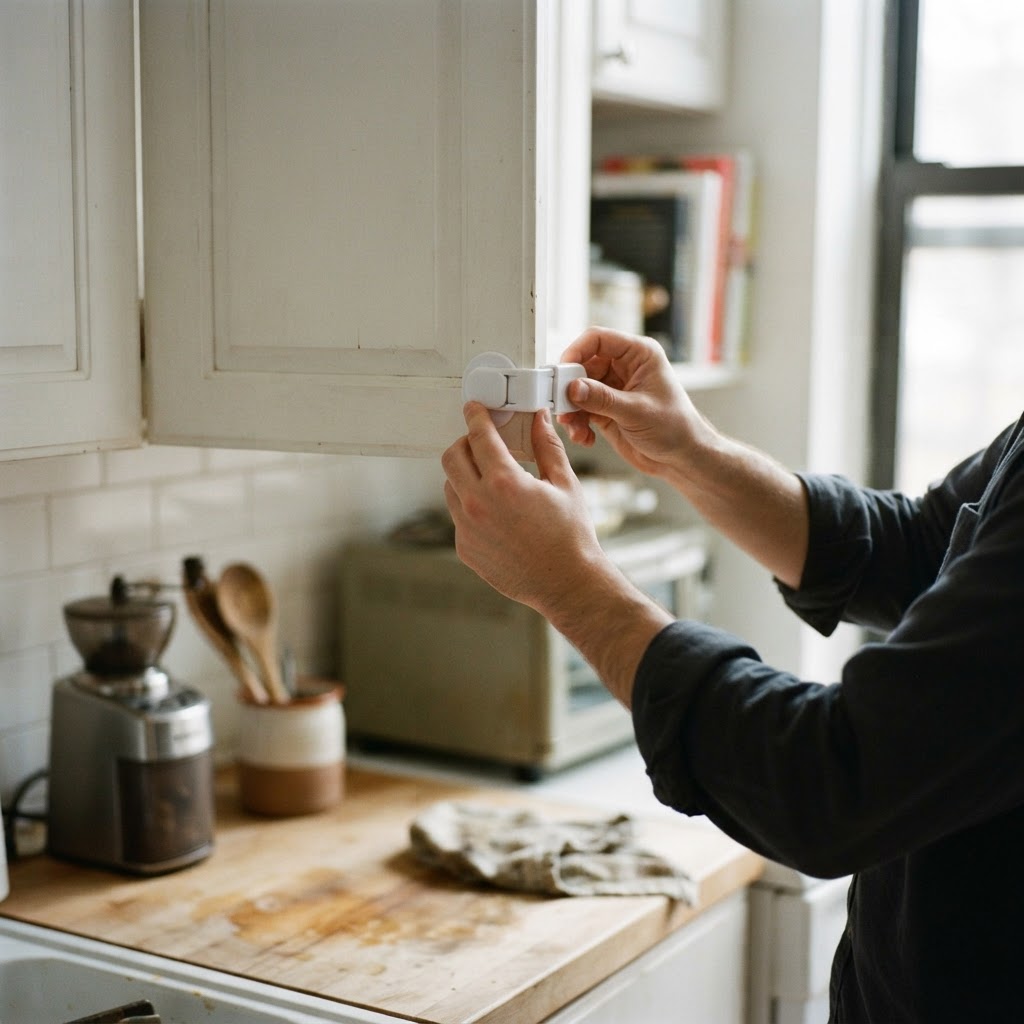
Keeping a curious toddler out of your kitchen cabinets is a rite of passage for parents in New York City, but if you live in a rental, drilling holes into your landlord’s cabinetry is usually a non-starter. The good news is that you can effectively childproof cabinets no damage to the finish using specialized hardware that relies on high-strength adhesive rather than screws. These solutions allow you to secure your home without worrying about losing your security deposit when it comes time to move out of your brownstone or walk-up. By following specific preparation steps and using the right tools, you can maintain a safe environment for your child while preserving the integrity of your kitchen fixtures.
Choosing the Right Adhesive Locks
When you are looking for ways to childproof cabinets no damage to the woodwork, the most effective tools are magnetic locks or adhesive-backed latches. Magnetic locks are hidden entirely inside the cabinet. You install the latch mechanism on the interior wall of the cabinet frame and the catch on the door using heavy-duty double-sided foam tape. When you need to open the door, you simply place a magnetic key against the outside of the cabinet face, and the latch releases. Because these reside inside, they look clean and modern. However, the adhesive must be applied to a completely clean surface for it to hold. If there is even a thin layer of kitchen grease, the tape will fail. Use rubbing alcohol to wipe down the contact points on your cabinets before sticking the components on. Once the tape sets for 24 hours, it will be strong enough to keep a toddler out while remaining removable with a little heat from a hairdryer later. For optimal results, ensure the latch is positioned so the door clears the frame by at least 1/8 inch. If the door sits too flush, the latch may catch incorrectly. Always test the magnetic engagement before applying pressure to the adhesive. If the latch is too loose, your toddler might pull the door open just enough to pinch their fingers. Use the provided plastic installation guide usually included in the packaging to ensure the magnetic catch and the bolt align within a tolerance of 1/16 inch.
Preparing the Cabinet Surfaces Before you attach anything, inspect your cabinet material.
Adhesive works best on finished wood, laminate, or smooth metal. If you are dealing with a rough, unfinished wood surface, adhesive tape may not stick properly. In these cases, you might need a temporary, non-damaging solution like a simple strap lock that wraps around the handles of side-by-side doors. If you are struggling with the installation or finding that your cabinet configuration won't work with adhesive, it may be time to book a handyman to assess the job. Start by measuring the distance from the top corner of the door to where the lock will sit. Most locks require at least 1.5 inches of clearance from the top or side edge to allow the bolt to operate without hitting the cabinet shelf. If your cabinets have an internal inset frame, you may need a spacer to bring the latch flush with the door. Clean the wood using a microfiber cloth and 70 percent isopropyl alcohol. Avoid using harsh chemical cleaners that leave a wax-like residue, as this will cause the adhesive to peel prematurely.
Understanding NYC Building Codes and Maintenance
While landlords generally permit non-damaging childproofing, you should always check your specific lease. Most NYC residential leases have clauses regarding alterations. Since adhesive locks are temporary and removable, they rarely violate these terms. However, if you are installing many locks, ensure you are not obstructing essential maintenance access. For example, do not lock the cabinet housing your main water shut-off valve or your gas meter access panel. If an emergency occurs, you need immediate access to these points. Maintenance after the installation is simple. Check the strength of the adhesive once a month. If a corner begins to lift, it is usually due to humidity or grease buildup. Re-clean the area with a fresh alcohol wipe and apply a small strip of high-quality mounting tape rather than trying to reuse the old adhesive.
Planning for Installation Timing and
Cost Drivers Childproofing an entire kitchen in a Manhattan apartment is a time-consuming project. For a standard NYC galley kitchen, expect to spend at least three to four hours for a proper installation. You must clean every surface, measure for alignment, apply the adhesive, and allow the recommended 24 hours for the bond to cure before stressing the locks. Attempting to rush the curing process by pulling on the doors early is the most common reason for failure. If you try to remove a lock and find the adhesive is stubborn, do not use a metal putty knife, as this will scratch the cabinet finish. Instead, use a plastic scraper or a piece of thin nylon string to saw through the adhesive bond after heating it with a hairdryer. Cost drivers for this project include the number of cabinets, the complexity of the door frames, and the quality of the locking kit. Basic strap locks cost very little, but hidden magnetic systems require more precision and more expensive materials. If you choose to hire a professional, they will bring all necessary tools, including measuring jigs, industrial-grade alcohol, and high-strength replacement tape, which can save you multiple trips to the hardware store.
When to Stop DIY and
Call a Pro There are situations where the DIY approach reaches its limits. If your kitchen features custom millwork with intricate trim, or if the finish on your cabinets is particularly old and prone to peeling, adhesive tapes might pull the finish off when you eventually remove them. Additionally, if you have high-end smart appliances or complex built-in storage, you may want to consult an expert. Sometimes, you have bigger fish to fry, like needing to book furniture assembly for new nursery gear or needing help to book TV mounting to keep screens away from tiny hands. If you find yourself spending hours trying to get a lock to sit straight on a warped or uneven pre-war cabinet frame, you are losing valuable time. Experienced pros can handle the installation for you, ensuring everything is perfectly aligned and secure. It is also helpful to have an extra set of hands if you are also looking to book tech setup for baby monitors or other home safety gadgets. Our pros are background-checked and insured, giving you peace of mind that your home remains in good condition.
Frequently Asked Questions
Will adhesive cabinet locks leave residue on my cabinets?
Most high-quality adhesive locks are designed to be removed with the gentle application of heat from a hairdryer. This softens the adhesive, allowing you to peel it away without damaging the cabinet finish or leaving a stubborn, sticky residue behind.
Can I use magnetic locks on drawers as well as doors?
Yes, magnetic locks are highly versatile and work excellently on drawers. The installation process is identical to that of doors, requiring only a clean surface to ensure the adhesive bond is strong enough to resist a child's pull.
What is the advantage of hidden locks over strap locks?
Hidden magnetic locks offer a cleaner aesthetic because they are not visible from the exterior of your cabinets. While strap locks are functional, they can look clunky and may be easier for older toddlers to figure out how to unlatch.
Book help in
New York If you need professional assistance securing your home or handling other small repairs in your apartment, we are ready to help. You can easily view our services and schedule your appointment by visiting our book a handyman page.