
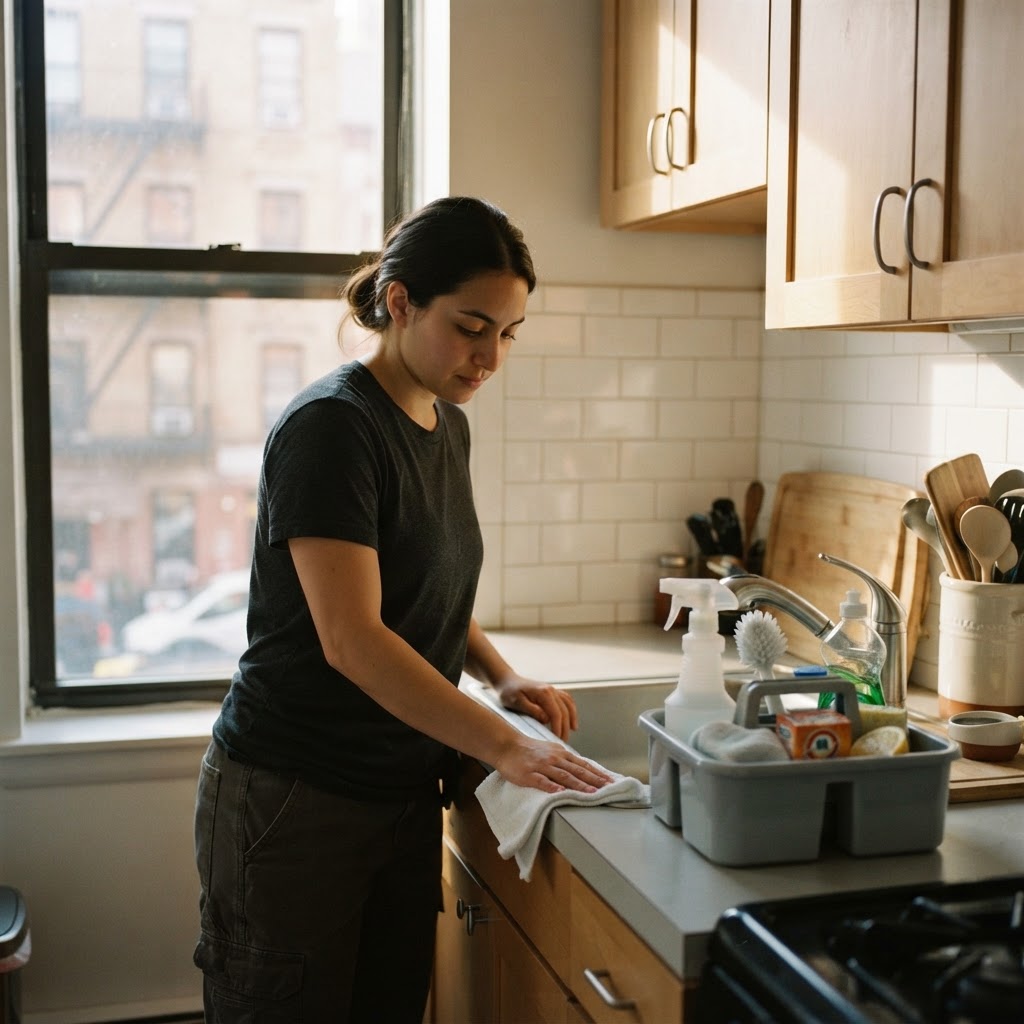
A slow-draining sink is a common headache in NYC apartments, especially in pre-war buildings with older plumbing systems. You do not need harsh, caustic store-bought chemicals to fix the problem. You can often clear minor clogs and remove foul odors using simple items you likely already have in your pantry. By maintaining a regular cleaning routine, you prevent minor blockages from turning into major plumbing emergencies that require professional intervention.
Natural methods to clean kitchen sink drain
Start by removing any visible debris from the strainer. Even if you use a sink guard, small bits of food and grease often slip through. If the water is still moving slowly, the blockage is likely deeper in the P-trap. The most effective non-toxic combination is baking soda and white vinegar.
This reaction creates a fizzy, mechanical action that helps dislodge buildup along the pipe walls without corroding your metal or PVC plumbing.
The baking soda and vinegar technique
Begin by pouring a pot of boiling water down the drain to soften any grease. Ensure the water is hot but not splashing to avoid burns. Follow this with a half-cup of baking soda. Next, pour in a half-cup of white vinegar and cover the drain immediately with a stopper or a wet rag.
Let the mixture sit for at least fifteen minutes. The pressure created by the chemical reaction helps break up soap scum and organic matter. Flush the drain with another large pot of boiling water to clear away the loosened residue. If the water still drains slowly, repeat the process once more, as stubborn grease deposits often require a double application.
Mechanical clearing with a plunger
If the natural soak does not improve the drainage, a small sink plunger is your next best tool. Fill the sink with just enough water to cover the head of the plunger. Position it securely over the drain opening to create a seal. Use quick, firm pumps to force air and water into the pipe.
This mechanical pressure is often enough to shift stubborn clogs in tight apartment plumbing. If you have a double sink, remember to block the second drain with a damp cloth so the air pressure focuses solely on the clog. Failure to block the secondary opening will simply push air out the other side rather than dislodging the obstruction.
Understanding NYC building plumbing regulations
Many New York City apartments utilize older cast iron piping which can be brittle. It is important to know that tenants are often responsible for minor drain maintenance, but major blockages in the stack or main line fall under building management responsibilities. If you live in a pre-war building, avoid using heavy-duty mechanical snakes unless you are familiar with the pipe age, as aggressive tools can puncture corroded metal.
Always check your building handbook regarding plumbing permits or restrictions if you plan on replacing hardware like P-traps or sink strainers.
Maintenance schedules and cost drivers
Preventing clogs is significantly cheaper than calling an emergency plumber in Manhattan or Brooklyn. The primary cost driver in professional repairs is the time required for a specialist to access cramped plumbing under deep, modern sinks. You can avoid these costs by practicing good habits like never pouring cooking oils or bacon grease down the drain. Always use a fine-mesh strainer and wipe greasy pans with a paper towel before washing them.
Scheduling a deep clean of your kitchen every six months can help catch early signs of leaks or slow drainage before they become severe enough to warrant a service call.
When to stop and call for professional help
While DIY methods work for minor debris, persistent backups often indicate a deeper issue, such as a root infiltration in a brownstone sewer line or a collapsed pipe in an old walk-up. If you hear gurgling sounds or if water backs up into a different fixture when you use the sink, stop immediately. These are signs of a main line obstruction that requires specialized tools. If you are preparing to vacate your unit, remember that a clean sink is essential for a smooth move-out cleaning experience.If your sink remains stubborn or you find that you have other maintenance issues, it might be time to bring in professional support.
Routine maintenance is far less expensive than emergency plumbing repairs. For larger cleaning projects, you might consider scheduling a professional deep cleaning to ensure every part of your kitchen remains hygienic. If you have been DIY-ing your repairs and have accumulated leftover materials or old fixtures, you can easily book junk removal to clear your space.
Frequently Asked Questions
Can I use bleach to clear my sink drain?
It is better to avoid bleach as it can damage your plumbing over time, especially in older buildings, and it is harmful to the environment. Stick to the baking soda and vinegar method to protect your pipes and your indoor air quality.
How often should I perform this maintenance?
If you cook frequently, perform this maintenance once every two weeks. This prevents grease and food particles from accumulating, which helps you avoid larger clogs and keeps your kitchen smelling fresh.
What if the drain is still clogged after I try these steps?
If your efforts do not restore normal drainage, there may be a deeper obstruction in the branch line. At this point, it is wise to stop to avoid damaging the pipes and book a professional house cleaning or handyman service to assess the situation properly.
Book help in New York
If you prefer to let a professional handle your kitchen maintenance or any other household task, we are here to help. You can view all of our services and schedule your appointment online today. Book your service here.