
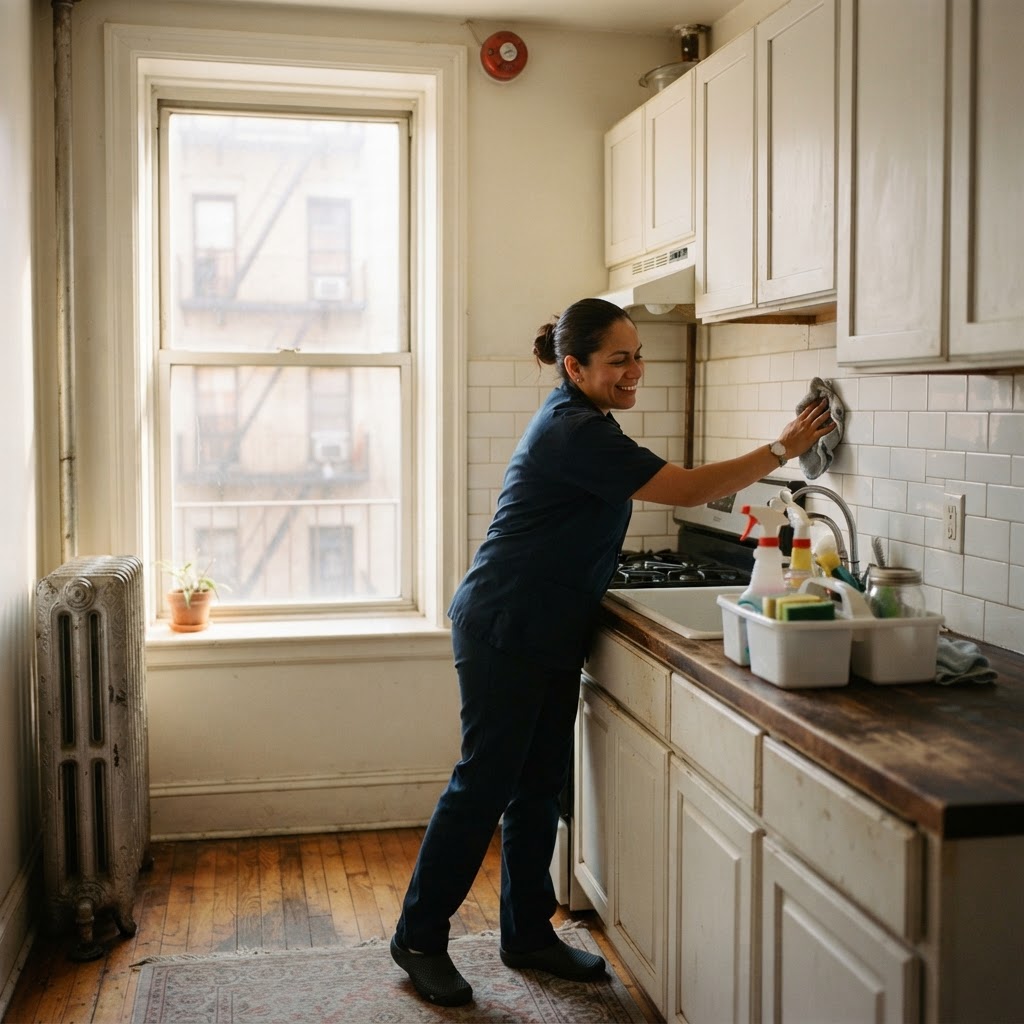
To effectively clean a radiator in an apartment, you must prioritize safety by ensuring the unit is completely cool. Start by using a long, flexible radiator brush to reach the stubborn dust trapped between the metal fins, then wipe the exterior with a damp microfiber cloth to remove residual grime. Over time, these units accumulate a significant amount of dust that can burn when the heat turns on, leading to poor air quality and unpleasant smells in your home.
Why Radiator Maintenance Matters in NYC
Many New Yorkers living in pre-war brownstones or walk-ups rely on steam heat. When dust collects inside the fins of your radiator, it acts as an insulator, preventing the metal from radiating heat efficiently into your room. Beyond the efficiency loss, the burning dust releases allergens into the air each time the boiler kicks on during those cold Manhattan or Brooklyn winters.
Regular maintenance prevents larger mechanical issues. If you notice your radiator is leaking, banging, or failing to heat up, you should avoid aggressive DIY repairs. While dusting is safe, internal valve issues often require professional help. If you have recently cleared out a room or are preparing for a new season, you might find that professional deep cleaning NYC services can handle the heavy lifting while you focus on other home tasks.
Supplies for a Thorough Cleaning
You do not need fancy chemical cleaners to get the job done. Most NYC hardware stores carry a slim radiator brush, which is essential for reaching the narrow gaps. If you cannot find one, a damp cloth wrapped around a flat ruler or a yardstick works in a pinch. Use a vacuum with a narrow crevice tool to pull out loose debris before scrubbing.
Gather a bucket of warm water with a mild dish soap, a vacuum with a hose attachment, and several clean rags. If your unit is particularly grimy, a damp rag is often enough to lift the dust without creating a mess on your floors. Remember to place a towel or an old sheet under the unit to catch the falling debris before you begin. For stubborn oil or paint stains, avoid harsh solvents that could strip the finish.
The Step by Step Cleaning Process
First, shut off the radiator valve if it is adjustable, though in many older buildings, this is not possible. Ensure the unit is cold to the touch. Start by using your vacuum attachment to suck up loose hair and heavy dust bunnies from the floor and the base of the radiator. Use the crevice tool to get directly under the bottom headers.
Next, slide your brush or improvised tool into the gaps between the fins. Move it up and down to dislodge the dust. Once you have cleared the interior as best you can, wipe the exterior of the cast iron or metal casing with your soapy rag. Dry it immediately to prevent rust. If you are struggling with a larger mess during a seasonal refresh, consider booking our house cleaning service to ensure the rest of your apartment is just as clean.
Troubleshooting Common Cleaning Pitfalls
The most common mistake is using too much water. Cast iron radiators are prone to surface rust if moisture is left to sit in the crevices. Always work in small sections and follow up with a dry microfiber cloth. If you find rust already present, avoid using steel wool, as this can damage the paint and encourage further oxidation. A light scrubbing with a soft-bristled brush is the safest method.
Another issue is the buildup of pet hair. If you have cats or dogs, this hair often gets baked onto the fins, creating a thick mat that is hard to remove with a dry brush. In this case, use a damp cloth wrapped around your tool to provide extra friction. The moisture will help grab the hair, but remember to rinse your cloth frequently to avoid pushing grime back into the tight radiator gaps.
Navigating NYC Building Rules and Regulations
When living in a co-op or condo in New York, you must respect building policies regarding radiator covers. Many older units are strictly decorative, but some are structural. If you need to remove a metal cover to access the fins, check your house rules first. Some buildings forbid the removal of covers due to fire safety codes or because the covers are original historic fixtures.
If your radiator is painted, be aware that many units in pre-war apartments have layers of old paint. Avoid scraping these surfaces, as older paint may contain lead. Stick to gentle wiping and vacuuming. If you notice the paint is peeling or bubbling, report this to your building superintendent rather than attempting to sand or refinish it yourself, as this poses a potential health hazard for you and your neighbors.
Maintaining Efficiency Throughout the Winter
Once you have cleaned the radiator, there are a few things you can do to keep the heat flowing properly. Keep furniture, curtains, and heavy drapes at least six inches away from the unit. Blocking the radiator prevents air from circulating, which forces the unit to work harder to heat the room. This not only wastes energy but can also cause the dust to build up again much faster.
If you find your radiator banging loudly, this is often a sign of water trapped in the steam lines, not a dirty exterior. Check if your radiator is tilted slightly toward the valve. In many NYC apartments, the shims used to hold the radiator at an angle can slip over time. If you notice the tilt is gone, ask your superintendent to adjust the shims. This simple change allows condensation to drain back into the pipes, silencing the banging noises that often plague older buildings.
When to Call for Extra Help
Sometimes, a radiator is only part of a bigger project. If your apartment has become cluttered with old furniture or debris, no amount of dusting will make the space feel clean. If you find yourself staring at items that no longer serve you, it may be time to book junk removal to regain your square footage.
Similarly, if you are moving out, a radiator is one of the most overlooked spots. Landlords check behind and between these units during inspections. A professional move-out cleaning NYC approach ensures these hidden spots are pristine so you do not risk your security deposit over a layer of dust.
Frequently Asked Questions
How often should I clean my radiators?
You should aim to clean them at least twice a year, ideally before the heating season starts in the fall and again when you turn it off in the spring. This prevents dust buildup from burning throughout the cold months.
Is it safe to use water on my radiator?
Yes, but use a damp cloth, not a dripping wet one. Wipe the surface quickly and dry it with a separate towel to ensure no moisture stays on the metal, which could cause rust or damage the finish.
When should I hire a professional for radiator issues?
If you hear persistent clanking, notice active leaks, or if the unit remains cold while others in the building are hot, contact your building superintendent. These are mechanical issues that require professional plumbing expertise rather than routine cleaning.
Book help in New York
If you need professional assistance with deep cleaning, move-out prep, or other home maintenance tasks, we are here to help across all five boroughs. You can view our services and schedule an appointment through our house cleaning service booking page.