
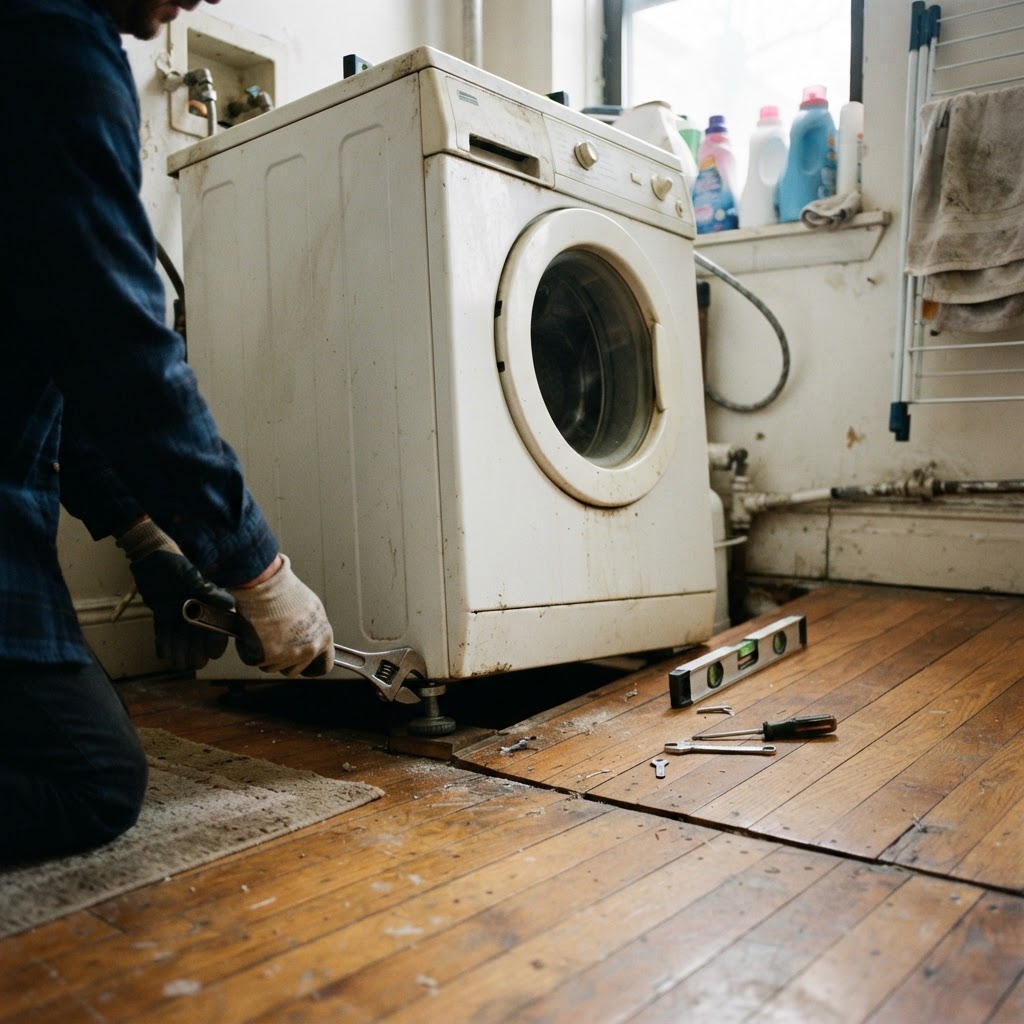
A vibrating, noisy washing machine is a common headache for New Yorkers living in older buildings. If your machine is walking across the floor during the spin cycle, it is likely not sitting flat. Many pre-war apartments and townhouses feature uneven floorboards or slight tilts, which can wreak havoc on your appliance's longevity. Before you assume the machine is broken, you need to check the balance. Ignoring this vibration often leads to damaged internal shock absorbers and worn-out drum bearings.
Assess Your Laundry Setup
First, pull the machine out so you have access to all four corners. If you are in a tight closet or a narrow kitchen nook, this might be the most difficult part of the job. You may need a pair of appliance gliders to move the unit without gouging your hardwood floors or tearing linoleum. Clear any debris from the floor beneath the unit. A single pebble, a dropped laundry coin, or a stray screw can prevent the feet from sitting flush, causing the machine to rock even if the floor is relatively level.
Place a spirit level across the top of the machine from left to right, then front to back. A high-quality 24-inch torpedo level is usually sufficient for this task. If the bubble is not centered, you have an uneven surface. In many cases, you can adjust the feet to compensate for a minor tilt. However, if your building has severe floor slopes, you might need more than just simple leg adjustments to keep the machine stable.
Adjusting the machine feet
Most modern washing machines have adjustable leveling legs. To adjust them, loosen the locking nut with an adjustable wrench, then rotate the foot clockwise or counter-clockwise to raise or lower that specific corner. Always make small adjustments. Raise the machine just enough so the foot contacts the floor firmly. Once you think it is level, use your spirit level again to confirm. If you find the job requires moving heavy machinery or you are dealing with a tight space, you can book a handyman to get it done properly.
When the floor is too sloped
If the feet are fully extended and the machine is still not level, the floor is likely the culprit. You can use rubber anti-vibration pads to bridge small gaps, but if the slope is significant, these pads will not provide a permanent fix. For complex installations, you might also need furniture assembly help if your machine is part of a custom cabinet unit that requires modification. Check for floor joist sag by placing a heavy weight near the machine; if the floor flexes, the machine will never stay stable regardless of leveling efforts.
Understanding Building Rules and Permits
In New York City, installing a washing machine often requires approval from your co-op board or property management company. Many older buildings have strict requirements regarding moisture barriers and secondary drain pans. Installing a metal or plastic drip pan under your washer is a critical protective measure. It prevents water leaks from damaging the subfloor or the unit below you. If you are modifying plumbing connections to accommodate a new machine, ensure you use braided stainless steel hoses rather than rubber to prevent burst pipes.
Maintenance Tips for Long-Term Stability
Once leveled, maintenance is key to keeping the machine in place. Every six months, perform a quick check to see if the locking nuts have vibrated loose. Use a pair of pliers to retighten the nuts against the chassis. Additionally, check your laundry habits. Overloading the drum creates an imbalanced load that puts immense pressure on even a perfectly leveled machine. Try to wash bulky items separately and distribute clothes evenly inside the drum. Periodically check that your machine feet are clean and that the rubber pads have not hardened or cracked over time.
When to Call a Pro
DIY leveling is great for minor issues, but there is a point where it stops being worth the effort. If your machine vibrates so violently that it hits surrounding cabinets, or if you suspect the floor itself is structurally compromised or rotting, stop immediately. You do not want to risk damaging your plumbing or your building's floor joists. Professionals have the right tools to safely maneuver heavy appliances without scratching your floors or walls. They can also inspect the floor under the machine for signs of water damage.
If you are also setting up your home network or mounting equipment nearby, our team can help with TV mounting or smart home setup during the same visit. Expert help ensures that your appliances are installed to code and remain stable, saving you from expensive repairs down the line.
Frequently Asked Questions
Do I need special tools to level my washer?
You only need a standard spirit level, a wrench for the locking nuts on the feet, and a partner to help you maneuver the machine. If you do not have these tools or the physical strength to tilt the machine, a professional service is recommended.
Can I use wood shims to level the machine?
Wood shims are generally not recommended for washers because they can slip due to the vibration of the spin cycle. Rubber anti-vibration pads or high-quality leveling feet are much safer and more durable options for a machine that shakes frequently.
Why does my washer keep moving after I leveled it?
If it continues to move, you may have set the feet too high, which reduces stability, or the floor might be weak enough to flex under the weight of the machine. If this happens, it is time to have a professional evaluate the laundry area floor surface.
Book help in New York
If you need professional assistance, our team is ready to help across all five boroughs, Long Island, Westchester, New Jersey and Connecticut. You can book a handyman to ensure your washing machine is installed perfectly and safely.