
When a Simple
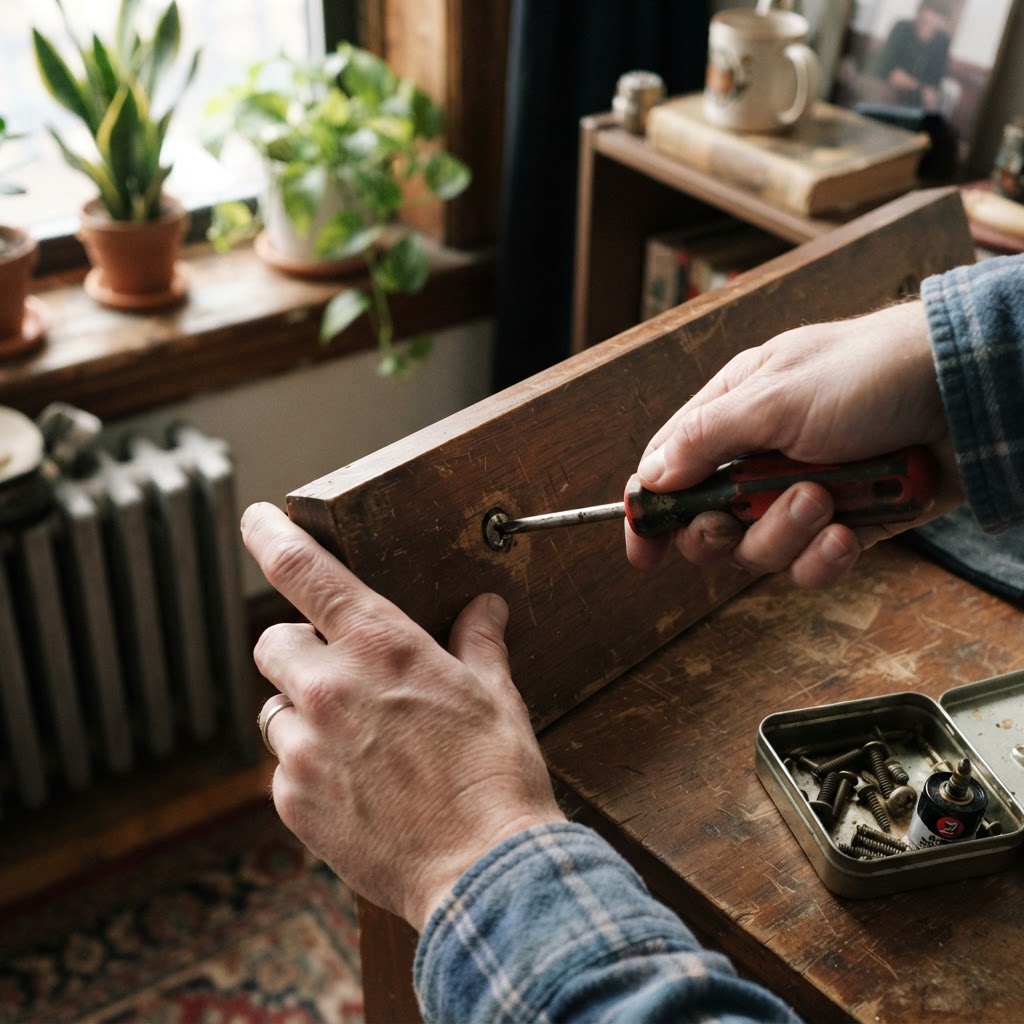
Fix Becomes a New York Headache There is nothing more frustrating than trying to tighten a loose cabinet door in your pre-war kitchen, only to have your screwdriver spin uselessly in a rounded-out screw head. You are not alone. In NYC apartments, where furniture often gets assembled, disassembled, and moved between tight hallways and small elevators, screws take a beating. To remove a stripped screw, you need patience and the right mechanical approach rather than brute force. Before you start, assess the damage. If the screw head is completely mangled or the material around it is cracking, stop. Forcing it might cause more damage to your expensive shelving or antique wood furniture. If you feel like you are in over your head, it is time to book a handyman who has the specialized tools to extract the hardware without marking your surfaces. Take a moment to clean the screw head first. Use a pick or a small nail to remove paint or debris from the slots. Often the screwdriver slips because it cannot seat fully into the recess. A clean hole is half the battle won.
Tried and True Extraction Techniques
Using Friction and Force Often, the problem is just lack of grip.
Place a wide, flat rubber band over the head of the screw and insert your screwdriver into the hole. The rubber fills the gaps and provides the necessary friction to turn the fastener. This works best on larger screws where you can apply significant downward pressure. Ensure you use the largest screwdriver that still fits the slot. If you use a driver that is too small, you will simply strip the metal further. If that fails, try a pair of locking pliers or needle-nose pliers. If the head of the screw protrudes even slightly from the surface, grip the outer edge firmly and turn slowly. This is a common method for handling loose hardware on desks or chairs. If you are struggling with a complex piece that keeps falling apart, you might need to book furniture assembly experts who can stabilize the structure properly. If the screw is flush, you can use a hacksaw to cut a new straight line across the head, allowing you to use a flathead screwdriver for extra torque.
Advanced Tools for Stubborn Screws
If manual grip methods fail, it is time for specialized equipment. A manual impact driver is excellent for breaking loose a seized screw. You set the tool against the head and give it a sharp tap with a hammer. The internal mechanism converts that downward energy into a sudden rotational force. Always start with a light tap before increasing the force to ensure you do not break the screw head off entirely. Another option is a screw extractor kit. You must drill a tiny pilot hole into the center of the stripped screw and then insert the extractor tool, which has reverse threads to bite into the metal and pull the screw out. This is delicate work. If you are mounting shelves, a TV, or heavy art, consider that precision is vital to avoid damaging your apartment walls. If you are having trouble with mounts, book TV mounting to ensure your equipment is safe and secure. Use a high-speed steel bit for drilling the pilot hole, and keep the drill perfectly centered. If you drift off-center, you risk damaging the surrounding wood or plastic anchor, making the repair much more complicated.
Navigating NYC Building Regulations and Rules
When undertaking repairs in a New York building, always check your lease or building bylaws regarding modifications. Many co-ops and condos have strict rules about what you can drill into, especially if you are working on walls that might contain lead paint or asbestos. Always use a stud finder and check for electrical or plumbing lines behind the area before you begin. Improperly drilling into a utility line can lead to a massive emergency repair bill and building management intervention. If you are planning a large mounting project, ensure you use proper heavy-duty toggles rather than basic plastic anchors, as NYC building vibrations can loosen inferior hardware over time.
Managing Costs and Long-Term Maintenance
Hiring a professional handyman is a smart investment when dealing with custom millwork or historical moldings often found in
Brooklyn or Manhattan homes. Most NYC residents make the mistake of attempting a fix with the wrong tools, only to strip the screw further or crack the finish. This increases the eventual labor cost because the technician must perform a multi-step extraction rather than a simple removal. After successfully removing a stripped screw, always replace it with a high-quality stainless steel fastener. Use a tiny amount of beeswax or soap on the threads of the new screw, which lubricates the insertion and prevents the metal from seizing in the future. Regular maintenance checks every six months on high-traffic furniture like kitchen cabinet hinges can prevent screws from loosening in the first place.
Knowing When to Stop DIY DIY repairs are rewarding until they become an expensive mistake.
If you find yourself sweating over a screw in a piece of high-end furniture or a custom built-in cabinet, the risk of gouging the wood or stripping the material around the screw is high. Professional repair costs $85/hour for a handyman. Compare that to the cost of replacing a piece of furniture in a small NYC space. Sometimes, the issue is not the screw but the underlying technology or smart home equipment that needs specific mounting. If you are frustrated by small technical setups or damaged hardware during installation, book tech setup for a more professional outcome. You value your time and your home; do not turn a five-minute fix into a weekend-long ordeal. Remember that your apartment is a significant asset. Taking the time to decide if you have the right equipment is better than rushing the job and ending up with an ugly, permanent hole in your wall or furniture.
Frequently Asked Questions
Can I use a drill to remove a stripped screw?
Yes, but use a low-speed setting and extreme caution. If your drill slips, it can easily scratch your furniture or wall finish, which is a common problem in rental apartments.
What if the screw is stuck inside a wall?
Wall screws are often set into anchors. If the screw is stripped, you might need to carefully cut away the drywall around the anchor or use a screw extractor designed specifically for deep-set fasteners.
Is it worth fixing a stripped screw myself?
If you have the right tools and the screw head is still partially intact, it is worth a try. If the screw is heavily damaged or in a fragile surface, call a pro to prevent further cosmetic or structural damage.
Book help in
New York When your DIY project gets stuck or you simply want the job done with professional tools, we are here to help. Reach out to our team today to book a handyman for any of your home repair needs.