
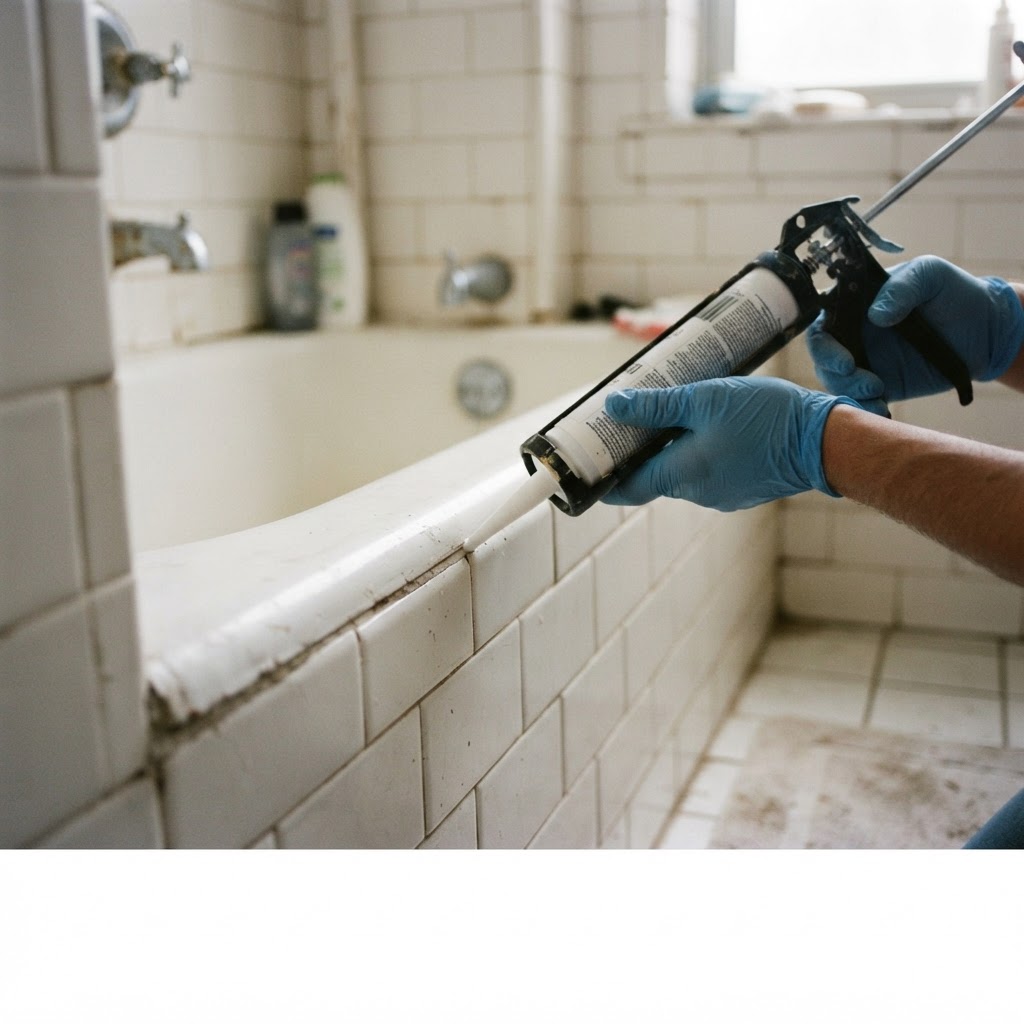
Assessing the Damage
Water sneaking behind a bathtub is a common issue in New York apartments, especially in pre-war buildings where settlement can cause tubs to pull away from walls. If you see cracked caulk or a visible opening where the tub meets the tile, you need to act fast. Leaving these gaps open allows moisture to seep into the wall cavity, which leads to mold, damaged plaster, and potential issues for neighbors in the units below you. Take a flashlight and inspect the entire perimeter where the tub flange meets the wall tiles. Look for hairline cracks or areas where the bead has lifted.
Start by checking if the gap is strictly a surface issue. If the wall feels spongy or if tiles are loose, the damage has likely gone deep into the structure. In these cases, you are looking at a repair beyond simple caulking. If the drywall or plaster behind the tiles has softened due to water infiltration, it must be replaced before a new seal can be effective. If you find yourself needing structural work, it is time to book a handyman to ensure the wall is sound before you try to seal the gap around bathtub surfaces.
Preparing the Surface
Removing the old, failing caulk is the most important step. If you apply new sealant over old, moldy material, it will not stick. Use a sharp utility knife or a specialized caulk removal tool to scrape away every bit of the old product. In a tight NYC bathroom, you might find this difficult due to lack of space or awkward corners, so take your time and use a steady hand to avoid scratching your tub or tile. Be careful with ceramic or porcelain surfaces as metal blades can leave permanent scratches or chips.
Once the old material is gone, scrub the area with a mixture of vinegar and water or a mild mold-killing solution. Use an old toothbrush to get into the crevice between the tub lip and the wall. Let it dry completely. You can speed this up by using a hair dryer on a low setting. Moisture left in the gap will cause your new sealant to fail within a few weeks. If you are struggling with complex bathroom repairs or need help with other tasks like furniture assembly in your tight apartment, we can handle the heavy lifting for you.
Selecting the Right Product
Do not just grab the cheapest tube at the hardware store. Look specifically for 100% silicone caulk labeled as kitchen and bath. This material is waterproof, flexible, and contains anti-mold additives. Acrylic or latex caulks are easier to clean up but will eventually crack in the high-humidity environment of a typical New York bathroom. When selecting a product, ensure the label specifically mentions mildew resistance and longevity. You will also need a caulking gun for standard tubes. If the gap is wider than one quarter inch, look for a foam backer rod to insert into the gap first. This acts as a foundation so the silicone does not just fall into the void behind the wall.
The Application Technique
Apply a consistent, thin bead of silicone along the entire gap. To get a professional finish, apply painters tape to both the tub and the tile surfaces, leaving only the gap exposed. This ensures clean, crisp lines once you remove the tape. Use a caulking tool or your finger dipped in soapy water to smooth the bead into the joint. Do not overwork the silicone. If you see bumps or air pockets, gently wipe over them once more with a lubricated finger. Once it looks smooth, peel the tape away immediately while the silicone is still wet. Leave it alone for 24 hours. Avoid using the shower for that period. If you realize your bathroom setup is beyond your current DIY comfort zone, or if you need help with TV mounting after your bathroom repairs are finished, our pros are ready to assist.
Navigating NYC Building Rules
Before starting any repairs in a New York co-op or condo, check your building rules. While caulking is usually considered minor maintenance, some buildings have specific requirements regarding the types of materials used or hours during which work can be performed. If you are doing extensive repairs that involve replacing tiles or opening the wall, you might need board approval or a permit. Always keep the workspace tidy, especially in hallways or shared areas, to avoid complaints from neighbors or building staff. If you are uncertain, a quick chat with your super can save you a lot of administrative headaches.
Managing Maintenance and Moisture
Even with a perfect seal, NYC bathrooms are prone to high humidity. To protect your new caulk, make sure your bathroom ventilation is working correctly. If you do not have a strong exhaust fan, leave the bathroom door open after a shower to allow moisture to escape. Inspect the caulk beads every six months. Small repairs are easy to manage, but if you ignore tiny separations, they quickly turn into major leaks. Regularly wiping down walls after a hot shower prevents mildew spores from settling into the silicone, extending the life of your repair significantly.
When to Stop DIY Efforts
There is a fine line between a simple maintenance task and a larger plumbing emergency. If you notice persistent leaks under the tub, water dripping through your ceiling, or if the wall is significantly bowed, stop your DIY project immediately. DIY is best suited for cosmetic gap filling, not for structural or major plumbing repairs. If you have been attempting a complex smart home installation or tech setup and find that you are overwhelmed by the bathroom work, professional help is the safest route to protect your apartment from water damage.
Frequently Asked Questions
How often should I re-seal the gap around my bathtub?
If you use high-quality 100% silicone, the seal should last several years. If you see black mold appearing inside the caulk or the edges start to peel away from the wall, it is time to replace it to prevent water damage.
Can I put new caulk over the old stuff to save time?
Never apply new caulk over old, existing caulk. It will not bond properly, and moisture will become trapped between the layers, leading to rapid mold growth and eventual failure of the entire seal.
How much does it cost to hire a pro for this?
Professional handyman services are billed at $85 per hour. Since we are fully insured and background-checked, you can trust our pros to get the job done right without causing damage to your bathroom fixtures or apartment structure.
Book help in New York
If you need a professional to handle your home maintenance or repairs, we are ready to help. You can easily book a handyman to ensure your bathtub is sealed properly and your home is protected.