
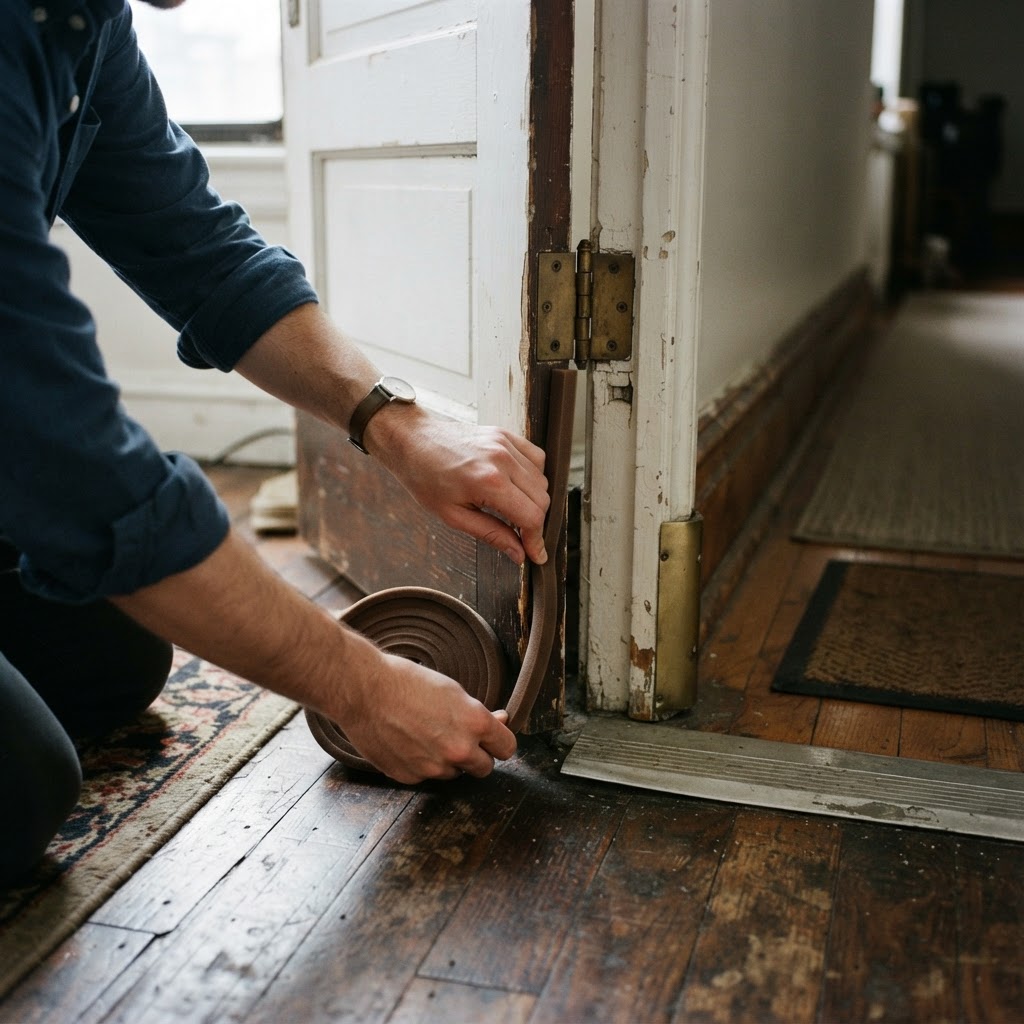
If you are tired of feeling a constant chill in your hallway or hearing every conversation in the lobby, your apartment door is likely the culprit. Proper sealing is the most cost-effective way to improve your comfort in an older New York building. By choosing to weatherstrip your apartment door, you create a barrier that keeps city noise, dust, and freezing winter air out of your living space. This simple project can lower your heating bills significantly while making your home feel like a private sanctuary.
Assess the Gap Around Your Door
Before you start, you need to understand where the leaks are happening. Old pre-war doors often shift over time, leading to uneven gaps. Close the door and check the perimeter with a flashlight. If you see daylight coming through the edges, you have a leak. Take a thin piece of paper and slide it between the door and the frame. If the paper slides through without any resistance at any point around the frame, you need a seal in that spot. Note these locations with a piece of painter tape.
Check the threshold at the bottom as well. If your apartment has a thick carpet or a hardwood floor, make sure you choose a material that will not drag or bind against the surface. For those who find the task of measuring and cutting precise strips daunting, you can always book a handyman to ensure the job is done right the first time.
Choosing the Right Weatherstripping Material
For doors, V-strip tension seals are often the best choice because they are durable and invisible when the door is closed. Adhesive-backed foam tape is cheaper but tends to degrade quickly in high-traffic NYC apartments. When installing V-strips, cut them with heavy duty tin snips to match the exact height of your door frame. If the strips are too long, they will cause the door to bounce back when you try to latch it.
If you have a metal frame, magnetic strips work well. Always ensure the surface is perfectly clean before applying any adhesive. Use rubbing alcohol to remove old paint, dust, or grease. If the surface is rough, the adhesive will fail within a week. Use a light grit sandpaper to smooth out any flaking paint before applying the adhesive tape. Press the strip firmly for thirty seconds to ensure a permanent bond.
Installing the Door Sweep
The bottom of the door is the biggest source of drafts. A door sweep is a flat strip that attaches to the interior side of the door. Look for one with a rubber or silicone flap that brushes against the threshold. Measure the width of your door precisely. Most doors are standard, but in historic townhouses, they might be custom-sized. Remove the door from its hinges if you have trouble getting a clean drill path, though many sweeps use adhesive backing.
If you struggle with the alignment or fear damaging your door finish, consider getting professional help. You might also want to book furniture assembly or book TV mounting during the same visit to maximize your time with our pros.
Navigating Building Rules and Regulations
Living in a New York apartment means working within the constraints of your building board or management company. Before starting any work, consult your proprietary lease or building handbook. Most buildings prohibit any modifications that change the exterior appearance of your door to maintain a uniform look in the hallway. This means you must select hardware that matches the existing door color or choose interior-only mounting solutions that remain invisible when the door is shut.
Fire safety is another critical concern. Some building codes forbid the installation of aftermarket door sweeps if they interfere with the self-closing mechanism required by law. Test your door after the installation by opening it halfway. It should still swing shut and latch fully on its own. If the new seal prevents the latch from engaging, remove it immediately as it poses a safety hazard and will lead to fines from your building management.
Maintaining Your Sealed Door
Once the work is complete, perform a basic maintenance check every six months to ensure the seals remain effective. Over time, the constant friction of the door opening and closing can cause adhesive strips to peel at the corners. If you notice a strip loosening, do not wait for the entire piece to fall off. Use a small dab of clear silicone caulk to reinforce the edges. This prevents moisture from getting behind the adhesive and causing it to fail entirely.
Clean the rubber or silicone flaps on your door sweep during your seasonal deep cleaning. Use a damp cloth to wipe away dust and debris that builds up on the floor. This buildup can create drag that wears down the material prematurely. Keeping the threshold clean ensures that the sweep continues to block drafts without leaving unsightly marks on your hardwood or carpet floors. Proper care will extend the life of your installation by several years.
When DIY Efforts Fall Short
Sometimes, the problem is not just a gap. If your door is warped, misaligned, or the hinges are sagging, simple weatherstripping will not solve the issue. You will know it is time to call a professional if the door binds even after you have applied the strips, or if the frame itself is splintered.
Attempting to plane down a heavy, old-growth wood door is difficult for a beginner and often leads to permanent damage. Our professionals handle these repairs regularly. If you also need book tech setup for a new router or smart home hub to manage your climate control, we can coordinate those services for you.
Frequently Asked Questions
Can I weatherstrip a door in a co-op or condo?
Yes, you generally can, as long as the modification does not change the exterior appearance of the door in the hallway. Always check your building's house rules first to ensure you are not violating any fire safety codes or aesthetic requirements.
How often should I replace weatherstripping?
High-quality weatherstripping usually lasts three to five years depending on how often you open and close the door. If you notice a draft returning or the rubber flap looking frayed, it is time to replace it.
Does weatherstripping affect how the door closes?
If you install the material too thick, the door may become hard to latch. You must measure the gap carefully; if the door becomes difficult to shut, you likely need a thinner material or a slightly different placement.
Book help in New York
If you prefer to leave the repairs to a pro or need help with other home improvement tasks, our team is ready to assist. You can schedule your service online today. Book a handyman here.