
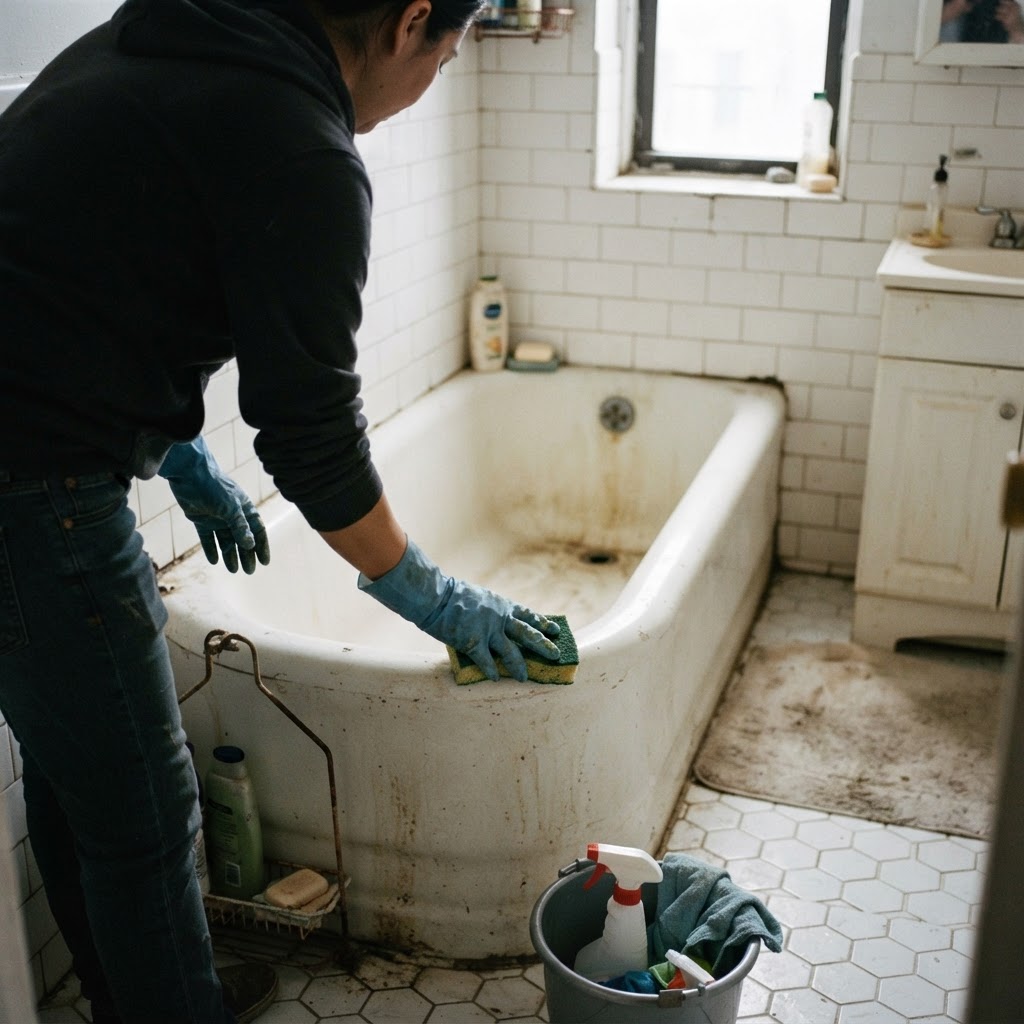
When you leave a rental in New York City, your security deposit often feels like a battleground. Landlord move out charges in NYC are usually deducted based on the condition of the unit compared to when you signed your lease. While "normal wear and tear" is legally protected, damage to walls, flooring, or appliances often leads to withheld funds. Understanding what is expected and fixing issues proactively can save you a significant amount of money.
Understanding Security Deposit Deductions Landlords in the city are allowed to charge for repairs that go beyond standard usage. If you have holes in the walls from mounting TVs, chipped paint, or damaged baseboards, these are often considered billable repairs. The key is distinguishing between routine maintenance and actual tenant-caused damage. Most management companies maintain a standard checklist during a walk-through. If the apartment requires extensive cleaning beyond a light sweep, or if there is furniture left behind, you will likely see a charge. If you have major furniture pieces that need disassembly, consider professional furniture assembly help if you are struggling to manage these items on your own before moving out.
Common Repair Items in Pre-War Buildings New York City apartments, especially those in pre-war brownstones, have specific quirks. Old plaster walls are notorious for cracking, but large holes from mounting shelves or heavy decor are almost always charged back to the tenant. If you have left behind mounting hardware or loose fixtures, it is cheaper to have a qualified handyman fix these issues than to let your landlord hire an expensive contractor to do it for you. Pre-war flooring often requires specialized care. If you have deep scratches from heavy furniture, a simple wood touch-up marker or furniture wax can hide minor blemishes. Check your baseboards for dust buildup and ensure that light switch plates are secure and clean. A missing or broken cover plate is an easy fix that a landlord might otherwise charge a premium to replace.
Dealing with Wall Damage Small nail holes from pictures are often ignored, but large gouges or drywall anchors left in the wall are not. If you want to handle this yourself, pick up a small tub of spackle and a putty knife from a local hardware store. Fill the hole, let it dry, and lightly sand it smooth. If you are not confident in your ability to match the paint or patch the wall, booking reliable labor to touch up your space is usually a fraction of the cost of a full repair invoice from your management company. When filling holes, do not overfill the spackle. Apply a thin layer and wait for it to shrink slightly as it dries. A second thin application often yields a flatter finish. If the wall has a specific texture, a damp sponge dabbed lightly over the drying spackle can mimic the surrounding surface before you paint.
Managing Large Item Removal Landlords charge a premium for junk removal because they have to pay for the labor and the disposal fees at a facility. If you have a mattress, old sofa, or broken appliances left behind, you will be billed for the cleanup. It is always more affordable to arrange for moving labor or junk removal services yourself before the final keys are handed over. Always check the specific disposal laws for your borough. New York City has strict rules regarding curbside items. Leaving a mattress or large furniture on the sidewalk without following DSNY guidelines can result in fines that will be passed directly to your account.
Navigating NYC Building Move Rules Many NYC buildings, especially those with doormen or co-op boards, have strict rules about move-out logistics. You must schedule your elevator usage in advance to avoid penalties. Failing to reserve the service elevator can result in a fine if you block the common areas. Check if your building requires a Certificate of Insurance from any professional movers or cleaners you hire. Ensure your move is scheduled during approved weekday hours to avoid weekend overtime fees often charged by building management.
Timing and Coordination for Repairs Schedule your final walkthrough at least one week before your lease expires. This allows time for paint to dry or for a handyman to complete unfinished tasks. If you wait until the last day, you lose the chance to fix minor issues yourself. Create a timeline that includes cleaning, minor repairs, and final removal of large goods. If you are doing repairs yourself, prioritize tasks like painting or plastering early in the week so the space has time to settle and you can spot any missed spots before final inspection.
How to Avoid Unnecessary Costs Communication is your best tool.
Request a pre-move-out inspection with your landlord at least two weeks before your lease ends. This gives you time to fix minor issues like loose cabinet doors or dripping faucets. By taking photos of the apartment in its final state, you have proof of the condition in case a dispute arises later. Remember that while some wear and tear is expected, the apartment should be "broom clean." If you are moving out of a busy walk-up, ensure your furniture is broken down properly to avoid damaging the hallways, as scuffs on common area walls are frequently charged to the vacating tenant.
Frequently Asked Questions
Is wall damage from hanging pictures considered normal wear and tear?
Generally, minor nail holes from small pictures are considered normal wear and tear. However, large holes from heavy mirrors, TV mounts, or shelves are usually treated as damage that you will be expected to pay to repair.
Can my landlord charge me for professional cleaning?
If you leave the apartment in a condition that requires more than standard broom cleaning, your landlord can deduct the cost of a professional cleaning service from your security deposit. It is cheaper to handle this yourself or hire a cleaning service before you return the keys.
Should I fix minor repairs myself before moving out?
Yes, if you are capable of doing professional-quality work. If you are unsure about your repair skills, hiring a professional to patch holes or fix broken items is often much less expensive than the bill the landlord will send you after hiring their own contractors.