
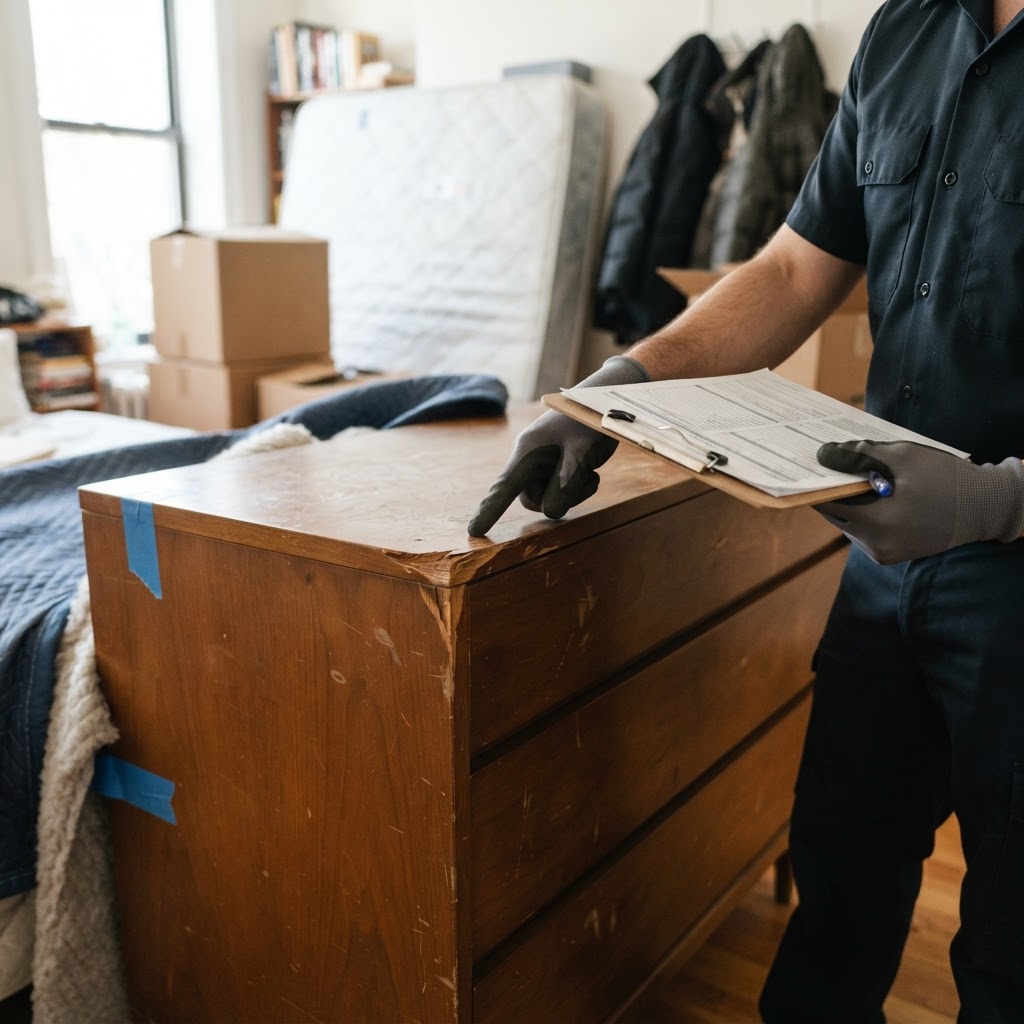
Moving in New York City is inherently risky. Between navigating tight hallways in pre-war buildings, squeezing furniture into narrow elevators, and managing long carry distances from the curb to your front door, the potential for dings, scratches, or more significant damage is high. While many people focus on the hourly rate for book moving help, the hidden cost of insurance and the reality of damage claims are vital components of your moving budget. By planning ahead, you can significantly lower these risks.
Understanding Moving Insurance Cost NYC Requirements
When you hire a professional service, you are paying for more than just muscle. You are paying for background-checked, insured labor. The moving insurance cost NYC customers should be aware of is often included in the base rates of professional companies. At NYC Pro Tasker, our pros are insured, which provides a layer of protection that DIY moves lack. If you rent a truck yourself and damage the building's walls or your furniture, the entire cost falls on your shoulders. It is critical to understand the distinction between basic carrier liability and full replacement value. Most basic protection is calculated by the pound, which might not cover the actual value of a designer couch or a high-end television. If you have high-value items, you may need to speak with your homeowner or renter insurance provider about adding a rider for transit coverage. This ensures your belongings are protected regardless of the mover's basic liability limits. Always ask for a copy of the policy coverage document before signing any contracts.
Navigating Building Management and COI Rules
In New York City, your biggest obstacle is often not the physical move but the building management. Most co-ops and condos have strict rules regarding move-in times. You are typically restricted to weekday hours between 9 AM and 4 PM. Attempting to move outside these windows can result in significant fines or your movers being turned away at the door. Before you finalize your date, verify the insurance requirements. Management will request a Certificate of Insurance, or COI, which must list their specific building entity as an additional insured party. Failure to provide this exact document will stop your move immediately. When coordinating with your building superintendent, ask about protection requirements. Many buildings mandate that you protect the floors with Masonite board or heavy-duty cardboard throughout the common hallways and elevator cabs. Ensure your moving team arrives with these materials on hand.
The Realities of Damage Claims in New York
Damage claims are rarely straightforward in New York City. Most buildings, especially co-ops and condos, require a Certificate of Insurance, or COI, before a move can even begin. This document proves that the company has the necessary general liability insurance to cover property damage to the building. If you are planning a move, ensure your provider is prepared to issue a COI well before your scheduled date.
Documenting Pre-Existing Conditions
Before any heavy lifting begins, take photos of your furniture and your apartment's high-traffic areas, like door frames and baseboards. If a piece of furniture already has a scratch, note it. This documentation is your best defense if you need to file a claim later. Most professional movers will also do a walk-through to note any existing damage to your items or the building's common areas. Use a checklist to mark off every piece of furniture as it leaves your old unit and arrives in the new one. Check for wobbling legs, loose fasteners, or torn fabric immediately upon arrival. If you notice an issue, point it out to the lead tasker before they leave the premises.
How to Minimize Risks During a Move
Proper preparation is the most effective way to avoid filing a claim in the first place. This includes professional-grade packing, which prevents boxes from collapsing and internal items from shifting. For complex setups, you can furniture assembly cost guides will show you how to properly disassemble and wrap your pieces to survive the journey through a narrow stairwell or freight elevator. Use moving blankets specifically designed for furniture protection, and secure them with shrink wrap to prevent them from slipping during transport. For glass or mirrors, use corner protectors and bubble wrap to shield the most vulnerable edges. If you have electronics, ensure they are in original packaging or padded wardrobe boxes to prevent screen cracks or internal component damage.
Post-Move Maintenance and Inspection
Once your furniture is in its new place, the work is not quite finished. You must inspect every item that was disassembled during the move. Check that all bolts and cam locks are tight on bed frames and desks. If you notice a piece of furniture is unstable, it likely means a fastener was lost during transit. Do not ignore these small issues, as they can cause long-term structural damage to the piece. If you find damage to your walls from the move, touch up the paint immediately to avoid penalties from your landlord or board. Having a small repair kit ready with spackle and your specific wall color paint can save your security deposit. If a piece of furniture is too damaged to be repaired by your team, hire a specialist to assess the cost of professional furniture restoration rather than attempting a DIY glue job that could lower the resale value.
When to Seek Professional Help for Your Move
If you have fragile items, antiques, or oversized pieces that need to navigate a tricky brownstone staircase, hiring professionals is the safest route. They have the experience to maneuver items through tight spaces where DIY movers often struggle. You can get an instant price estimate to understand the investment required for professional labor compared to the potential cost of replacing damaged goods. Remember, paying for skilled, insured labor is part of the cost of living in a city with such unique architecture. Whether you need help with a book a handyman for post-move repairs or full moving labor, having a professional team on your side helps protect your assets and your sanity.
Frequently Asked Questions
Is moving insurance automatically included in the hourly rate?
Professional moving services generally include basic liability coverage as part of their business insurance. This covers damage caused by the movers, but it is often limited by weight, so always verify the specific coverage limits for high-value electronics or antiques.
Why do NYC buildings require a Certificate of Insurance?
Buildings require a COI to ensure the moving company carries adequate general liability insurance. This protects the building management from costs associated with damage to elevators, hallways, or lobby fixtures caused by the moving crew during your relocation.
What happens if my furniture is damaged during a move?
You should immediately document the damage with clear photos and notify the moving company. Provide them with the original receipts for the damaged items to facilitate the claims process according to their specific liability policies.
Book help in New York
If you are ready to plan your move or need assistance with your home, our team is ready to help across all five boroughs, Long Island, and beyond. Visit our instant price estimate page to see your options.