
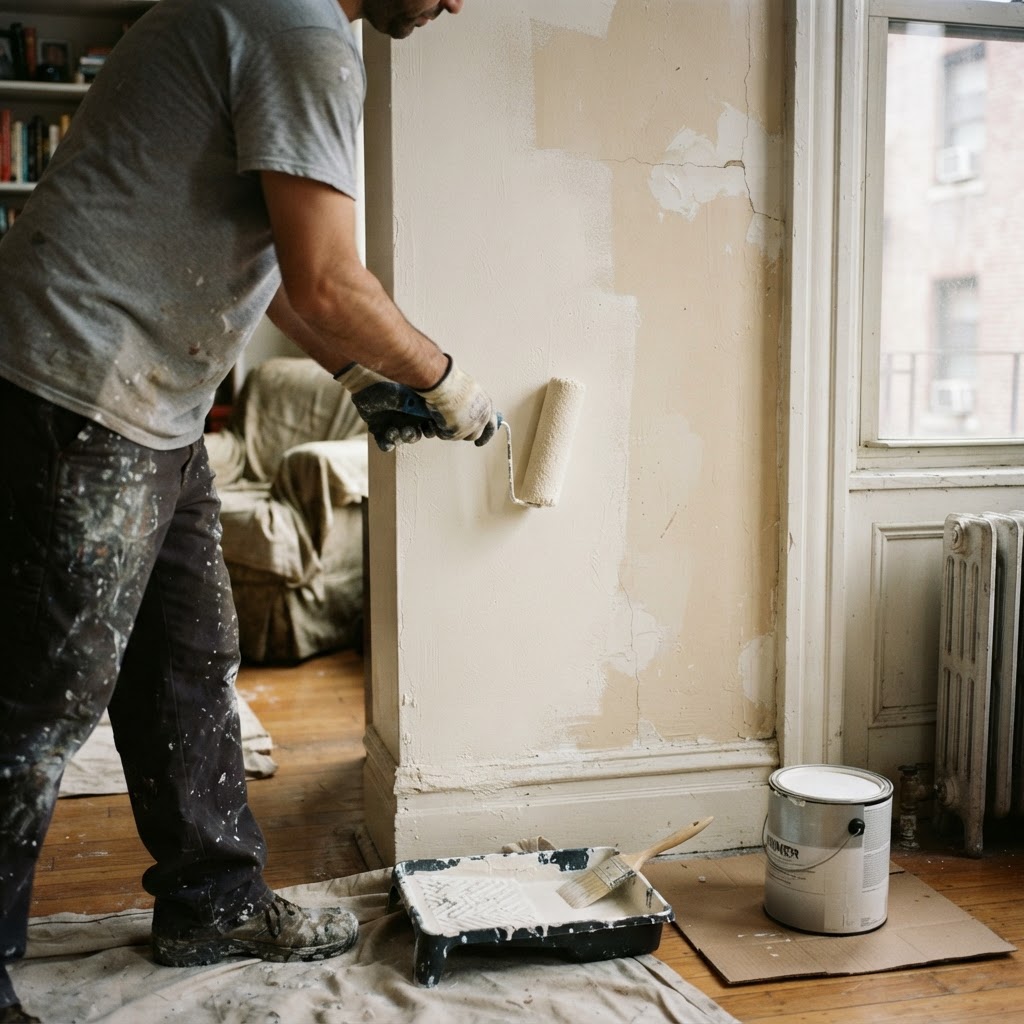
Understanding the true cost of interior painting
When you decide to refresh your apartment walls, the painting cost per room in NYC often feels like a moving target. Because our apartments are unique, ranging from pre-war brownstones with intricate molding to modern high-rise condos, a one-size-fits-all quote rarely exists. At NYC Pro Tasker, our professional interior painting services are billed at $85/hour. This rate ensures that your project is handled by background-checked, insured professionals who understand the specific challenges of living in the city.
Factors that influence your painting project
Several factors dictate how long a project takes and how much it will cost. Before you start, consider the state of your walls and the logistics of your building.
Wall condition and surface preparation
If you have old plaster walls with cracks or peeling paint, the prep work will significantly increase your labor time. Repairing these surfaces is essential for a clean finish. Skipping this step or rushing the process often leads to visible imperfections. If your walls are in good condition, we can move straight to the priming and painting phase. Many residents find that handling minor patch jobs themselves can save time, but for professional results, ensure you know how to patch drywall holes before the team arrives.
Effective preparation involves a specific sequence. First, we clear the room and remove hardware like switch plates and outlet covers. Next, we sand down high spots on the drywall or plaster using 120-grit sandpaper. We then fill cracks with high-quality spackle. Once dry, we sand the patched areas with 220-grit paper until the surface is flush with the existing wall. Skipping the dusting step is a common mistake that ruins a finish, so we always wipe surfaces clean with a damp cloth before applying any primer.
Building regulations and logistics
Working in New York means navigating building management rules. If your co-op or condo requires a Certificate of Insurance (COI), our team will provide that to ensure you are compliant with your board’s requirements. Additionally, consider access. Does your building have a service elevator, or is it a five-story walk-up? Moving equipment up flights of stairs or coordinating with building staff during limited freight hours can add time to the job. Being upfront about these constraints helps us provide an accurate estimation of the total effort required for your space.
Building rules often dictate when we can work. Many NYC residential buildings restrict noisy work to specific weekday hours, usually between 9 am and 4 pm. This can turn a one-day job into a two-day job if your building is strict. Check your proprietary lease or building handbook to confirm these limitations before scheduling. If your building requires protective masonite on the floors during the move-in of supplies, please let us know in advance so we can factor that labor into the estimate.
Understanding NYC painting timelines and sequencing
Understanding the timeline helps set expectations for your household. A single average-sized room, roughly 10 by 12 feet, usually requires one day of work if the walls are in good shape. This includes the initial setup, masking off trim with high-quality blue painter tape, cutting in the edges with a brush, and rolling the main wall surfaces. If the room has crown molding or baseboards that also need painting, add at least two to four hours of labor. High ceilings or rooms with multiple shades of color require additional drying time between coats.
For major color changes, such as going from a dark navy to a soft white, plan for at least two coats of primer and two coats of paint. Professionals check for light bleed-through by holding a bright work light at an angle against the wall. If the surface shows shadowing, another coat is necessary. Always allow the first coat to dry for at least four hours in a well-ventilated space before applying the second. Proper drying prevents the paint from peeling or bubbling during the final roll.
Tips for maintaining your new finish
Once the job is done, maintenance is key to protecting your investment. Ask your painter to leave a small amount of leftover paint in a clearly marked container. Store these cans in a temperature-controlled area rather than a damp basement. If you get a scuff or a small dent, never scrub the wall with a rough sponge, as this will burnish the finish and leave a shiny spot. Instead, touch up the area with a small artist brush using the original paint. If the wall is deep-scratched, lightly sand the area before touching it up.
Avoid deep cleaning your walls for at least 30 days after the job is completed. Paint takes time to fully cure, and washing them too early can remove the sheen or texture. Use a microfiber cloth for regular dusting. If you must remove a smudge, use a very slightly damp cloth with a tiny drop of dish soap, testing a small, inconspicuous spot first to ensure the paint finish remains intact.
Budgeting for your professional paint job
To budget effectively without surprises, treat painting as a skilled trade rather than a simple DIY task. Beyond the hourly labor rate, you must account for the cost of high-quality paint, rollers, brushes, drop cloths, and painter's tape. If your furniture needs to be moved or protected, that also consumes time. Many of our clients bundle services to maximize their budget. For example, if you are also moving into a new space, you might need to book moving help in addition to painting. If your new furniture arrives in boxes, our furniture assembly cost guide can help you prepare for those additional tasks.
If you have complicated tasks like mounting a heavy mirror or adjusting hardware, you can book a handyman to tackle those during the same visit. For a precise estimate tailored to your specific walls and project scope, you can always visit our instant quote page to see what fits your needs.
Frequently Asked Questions
Does the hourly rate include materials?
Our hourly labor rate covers the professional application and expertise of our team. Supplies like brushes, tape, and drop cloths are generally provided or agreed upon separately, while paint and primer are typically purchased by the client to match their preferred brand and color.
How many rooms can you paint in a day?
Speed depends heavily on the condition of the walls, the ceiling height, and whether you are doing a color change that requires multiple coats. A standard, empty bedroom with smooth walls moves much faster than a room with complex molding or significant damage.
Do I need to move my furniture before the team arrives?
We recommend clearing the room as much as possible to ensure efficiency. While we take care to protect your floors and remaining items with professional-grade plastic and drop cloths, having a clear workspace allows the painters to focus entirely on the walls.
Book help in New York
Ready to get your walls looking fresh? Our professional team is ready to assist with your next project across all five boroughs. You can get an instant quote today to get started.