
A moving quote is typically an estimate based on the information you provide at booking. When that number changes on the actual day of your move, it is almost always due to factors that were not accounted for during the initial planning phase. In a city like New York, where stairs, narrow hallways, and parking rules dictate the pace of work, clarity is your best tool to prevent a moving quote increase moving day. Understanding how these variables influence your final bill helps you budget more effectively and ensures your move goes as planned.
The Real Impact of Building Rules and Access New York City buildings have unique restrictions that directly impact labor hours. If you live in a pre-war building with a tiny elevator, the crew must manage multiple trips for items that would otherwise fit in a larger lift. Co-ops and condos often require a Certificate of Insurance (COI) and strict move-in windows. If the elevator is not reserved or breaks down, or if the board restricts the movers to a short window, the time spent waiting or navigating tight corridors adds to your total labor cost. When we provide an estimate, we assume standard access. If you discover on the day of the move that your building requires an extra worker or mandates specific protective measures for the hallways, the scope of work shifts. Being upfront about these constraints is the best way to get an accurate instant price estimate before the team arrives.
Dealing with Stairs and Narrow Walk-ups There is a massive difference between a ground-floor walk-in and a fifth-floor walk-up in a Brooklyn brownstone. Stairs require more time, physical energy, and protective care for your furniture. If you underestimated the number of flights or the narrowness of your stairwell, the movers will need more time to execute the job safely. This extra time is naturally reflected in the final hourly tally. If you have bulky items like a king-size mattress or a sectional sofa, measure your stairwell width and landing turns before booking. If an item cannot fit around a corner, the crew may need to hoist it through a window or disassemble it, which requires specialized tools and extra hours of labor. Always verify with your super if hallways have specific dimensions that might impede standard moving equipment like dollies.
Parking and Street Accessibility Alternate-side parking is a reality in every borough.
If the truck cannot pull up directly in front of your building, the distance the team must walk to load your items increases significantly. This 'long carry' adds time to every trip between your apartment and the vehicle. Always try to clear space or alert your neighbors if you have a driveway or a designated loading zone. If you are in a high-traffic area, check if you need to apply for a temporary street permit. Without a reserved spot, the team may lose time searching for legal parking, which directly increases the total hours billed.
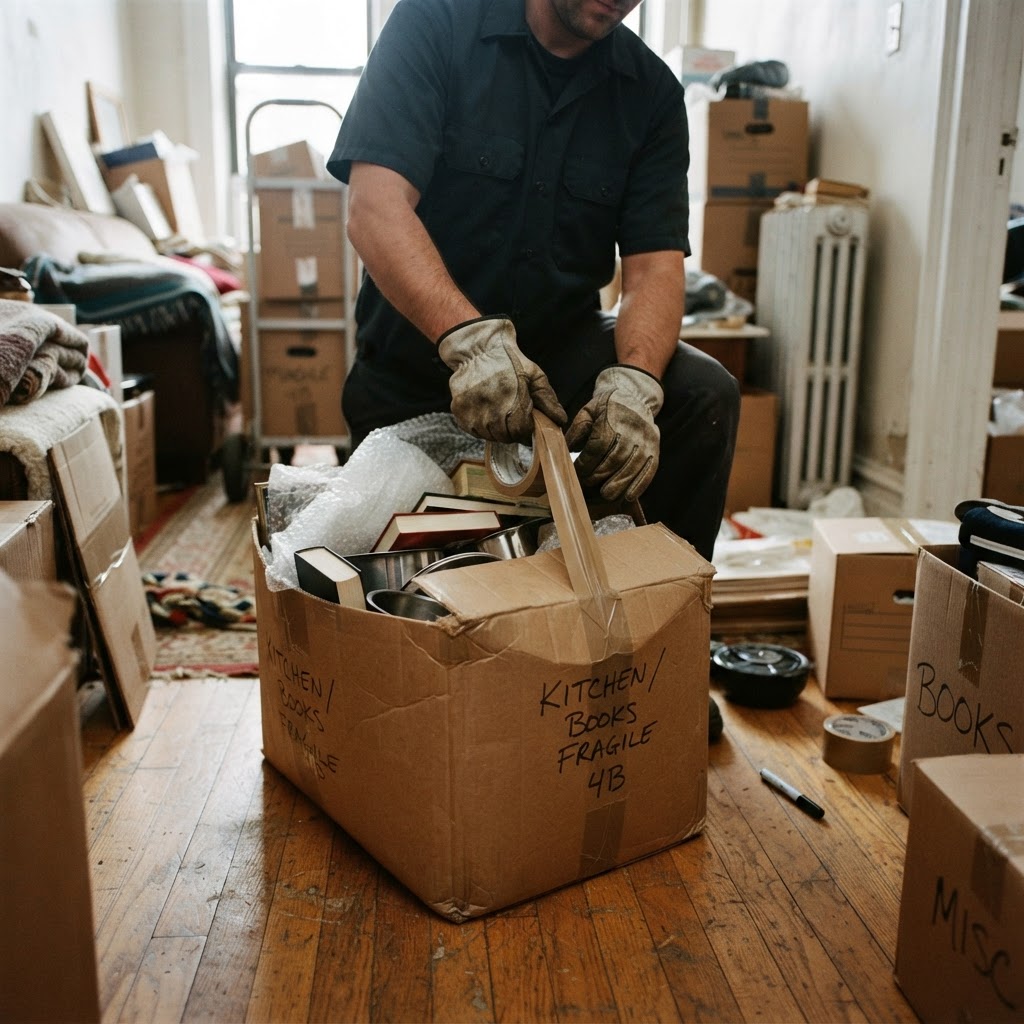
How Your Preparation Affects the Final Bill Many customers find their final costs increase because items were not fully ready when the crew arrived. If you are still packing boxes, disassembling bed frames, or clearing out closets when the movers step through the door, they are essentially being paid to wait or assist with prep work that was intended for the customer to complete. This is the single most common cause for a jump in price. To stay on budget, have all boxes taped and stacked near the entryway. Disassemble IKEA-style beds or tables the night before, keeping screws in labeled plastic bags. If you are unsure how to break down complex pieces, prioritize the items that take the most time. If you find yourself overwhelmed, you might consider professional furniture assembly cost services to help with the breakdown and setup, or simply ensure that all small items are packed in sealed, labeled boxes. Movers charge by the hour, so every minute you save them is a minute of labor costs you save yourself.
Navigating Timing and Seasonal Cost Drivers Moving in New York is cyclical.
The end of the month and the first week of the month are peak times when demand surges for both elevators and moving teams. If you have flexibility, targeting mid-month or mid-week dates can lead to easier building access and a more relaxed experience. During summer months, high demand for labor can lead to longer transit times due to heavier traffic congestion across the bridges and tunnels. Planning your move during off-peak hours, such as early morning before rush hour kicks in, can help the crew arrive on time and avoid the frustration of gridlock.
Maintenance and Settling Into Your New Space Once the heavy lifting is done, the post-move phase requires its own attention. Boxes should be unpacked systematically to prevent clutter that blocks paths or traps dust. Inspect your furniture for any loose joints or scratches that may have occurred during transit. If you notice structural issues, address them early to prevent further damage. New Yorkers often find that their new layout requires different storage solutions or lighting setups. Making a checklist of small maintenance tasks, like tightening hardware on cabinet doors or installing floating shelves to save floor space, ensures your new home functions efficiently. Tackle these items immediately after the move to make your space feel finished and organized.
Budgeting for Your Move Without Surprises Transparency is essential in NYC.
Our moving labor rates are $65/hour for one mover or $160/hour for two movers, with a 2-hour minimum. When you book moving help, be as detailed as possible about your apartment size, the number of large furniture pieces, and any complex access points like steep stairs. If you need someone to tackle small repairs or mount items after the move, you can also book a handyman to handle those tasks separately, keeping your project organized.
Frequently Asked Questions
Why does moving labor cost more for two people than one?
Two movers can often complete a job in less than half the time of one person because they can team up to carry heavy items. While the hourly rate is higher, the efficiency gained in narrow NYC hallways usually results in a faster, safer move.
What happens if I miscalculated the number of boxes?
Extra boxes usually mean more trips to the truck and more time spent loading. Since labor is billed by the hour, if it takes longer to load your belongings, the final cost will increase to reflect the time the crew is on the clock.
Can I avoid a price change on moving day?
Yes, by providing an accurate inventory and being honest about building access, stairs, and parking. The more detailed your initial assessment, the closer your final bill will be to the original quote.